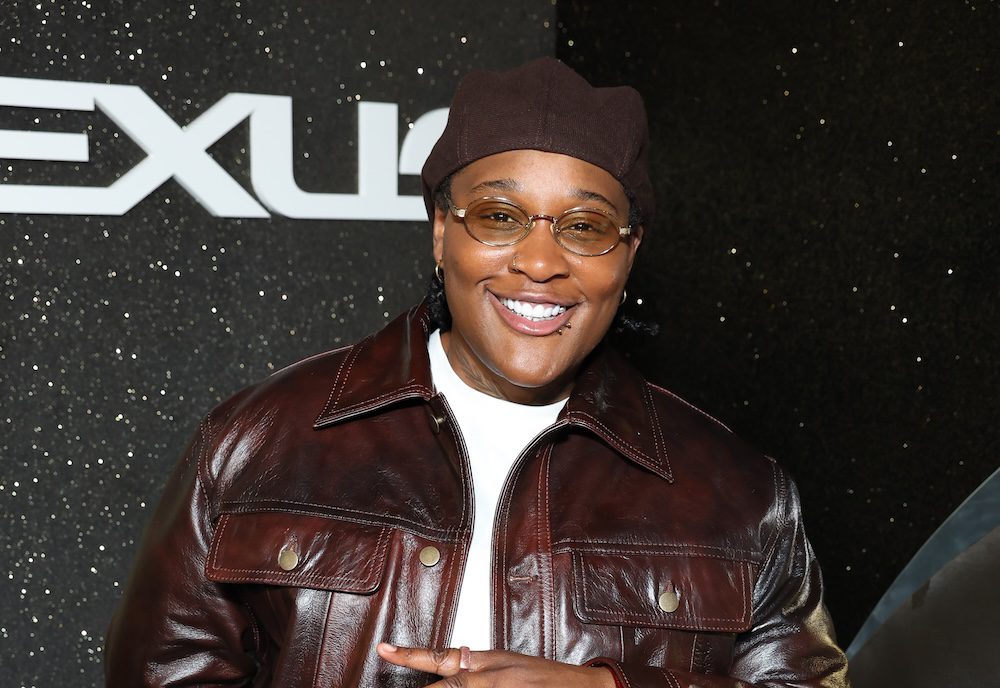
The dynamics of creative collaboration in the music industry are often complex, but a recent revelation from singer-songwriter Jozzy has shed light on the often-unseen tensions between artists and their behind-the-scenes contributors. During a recent appearance at a Red Bull Sessions event in Atlanta, the songwriter—widely recognized for her pivotal role in co-writing the Billy Ray Cyrus remix of Lil Nas X’s “Old Town Road”—discussed a past professional encounter with Jack Harlow that ultimately led to a permanent rift.
The discussion, which took place on April 2, was prompted by a question from Mandii B of the Selective Ignorance podcast. Jozzy recounted a session for Harlow’s 2022 album Come Home The Kids Miss You, noting that the experience took an unexpected turn shortly after the work was completed. According to Jozzy, Harlow reached out via a lengthy voice memo, explicitly requesting that she remain uncredited for her contributions. She characterized the request as an attempt to relegate her to the role of a ghostwriter, a position she was unwilling to accept.
“I never worked with him after that because I wanted credit,” Jozzy stated, emphasizing the importance of professional recognition in an industry where songwriting credits are essential for both career longevity and financial compensation. The revelation comes at a time when Harlow has faced broader scrutiny regarding his artistic direction and public persona. Following the release of his latest album, Monica, which saw the rapper pivot toward R&B, he drew significant criticism from prominent figures in the hip-hop community, including Cam’ron and Charlamagne Tha God, for comments regarding his own identity.
The conversation surrounding Jozzy’s experience highlights the ongoing debate regarding transparency and fair treatment for songwriters in the modern music landscape. While the industry often relies on the collaborative efforts of talented writers, the desire for public acknowledgment remains a point of contention for many creators who seek to build their own legacies alongside the artists they support.
Beyond the professional fallout, Harlow has recently found himself at the center of a different kind of viral attention, this time regarding his choice of headwear. The internet has been abuzz with speculation and humor surrounding a unique hat the rapper was spotted wearing, drawing curiosity from figures as varied as Dionne Warwick. While the discourse remains lighthearted, it serves as a stark contrast to the more serious conversations regarding his professional conduct and artistic integrity.