How famous can a musician become and still seem like he isn’t? How much musical precedent must exist — how many artists like you, coming before you — before an artist’s ascent is no longer “unlikely”? These are the questions Noah Kahan’s The Great Divide had me asking.
I’ve written about Noah Kahan here before, because I couldn’t not. His single “Stick Season” went from midlist folk-pop to viral hit. At the time of writing this column, Kahan had 18 songs on the Hot 100. They’ve all been there for weeks. He also has a documentary introspecting on his fame, Out Of Body, that premiered earlier this year at SXSW and then hit Netflix. He’s received a coveted folk-musician accolade, shared with veterans like Willie Nelson, Jerry Garcia, Dave Matthews and Phish: getting his own Ben and Jerry’s flavor. (It helps that Kahan’s from Vermont.) He also has an LL Bean collaboration — actually two of them now — and a craft beer. Where did all this come from? It’s simple: As Out Of Body director Nick Sweeney told Billboard, “Noah’s music was everywhere.”
The Anti-Idol Persona
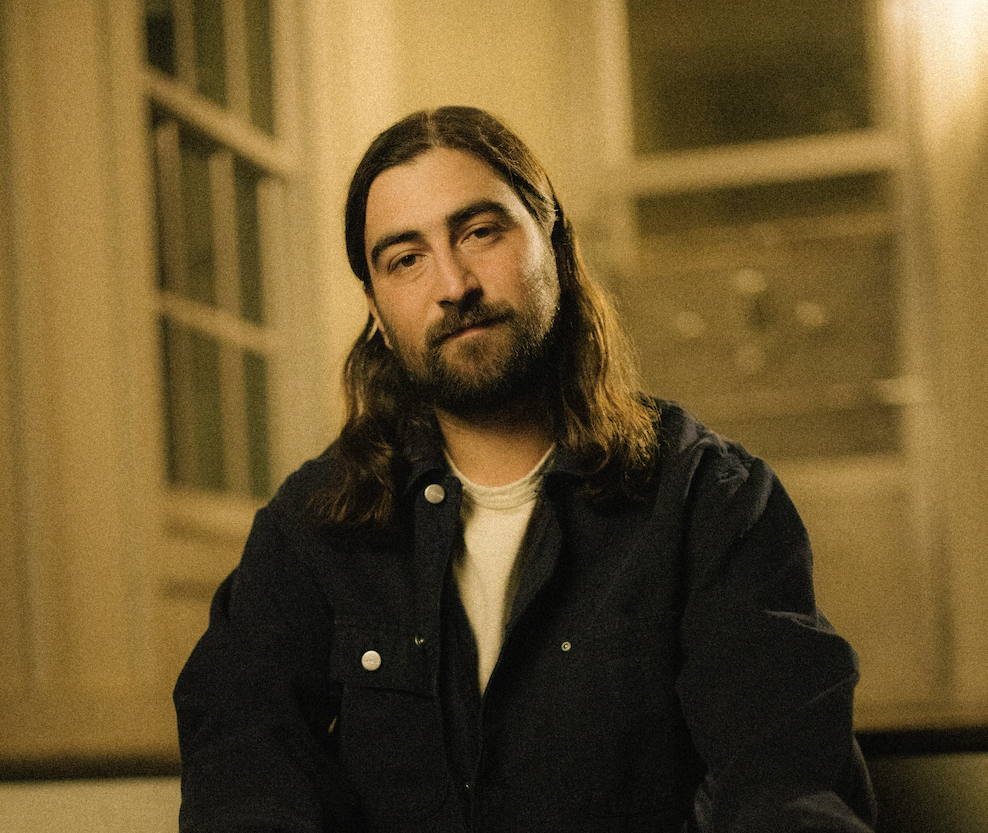
Is that unlikely? Kahan is a modest guy even by folkie standards. His hair is long and almost pointedly disheveled; he kind of resembles a rustic cousin of streamer MoistCritikal, or a less feral Andrew W.K. Most of his photoshoots look like he was styled by The Dude. Kahan’s a lot more talkative in interviews than you’d expect, a little more fratty than you’d expect, and somehow even more self-deprecating than your expectations. He’s emotionally open and vulnerable, or more precisely a vulnerability advocate. He talks constantly about going to therapy and the pressure on men to avoid their feelings, which has gotten him comparisons to the everyman anti-toxic-masculinity image of Tim Walz. In short, as recent Kahan collaborator Aaron Dessner of the National told Rolling Stone: “He’s the anti-idol. He’s not seeking it.” And yet, he found it.
Musical Precedents and the Sound of Money
The Great Divide, the record, projects far more assurance. The album comes in at a sprawling 17 songs, 21 if you count bonus tracks. Like Stick Season, it was written with Kahan’s longtime producer Gabe Simon (no relation to Paul). Dessner cowrote a few tracks, and Bon Iver’s Justin Vernon both sings on it and fills out its band. The album is small-c conservative in its folk-pop arrangements, and beholden to musical tradition. But which tradition? In 2026, anything acoustic by men will probably be compared to Mumford & Sons or the Lumineers and their retroactively assigned microgenre “stomp clap.” But Kahan’s music isn’t quite so affectedly rustic. (Also, The Great Divide contains almost no stomping or clapping.) There’s a fair amount of Springsteen here, particularly in rollicking, burly tracks like “The Great Divide” and “Deny Deny Deny.” The verses of “We Go Way Back” invoke Simon & Garfunkel in their hushed harmonies; elsewhere, I hear James Taylor in a few turns of melody.
But Kahan’s real predecessors are people like Ed Sheeran (whom Kahan’s compared himself to), or British folk-rocker Sam Fender (whom Kahan called his favorite modern artist), or adult-contemporary like Jason Mraz or John Mayer (both of whom Kahan also said he likes), Gavin DeGraw or Jack Johnson. You could splice his vocals seamlessly into the vocal of Isaac Slade from the Fray, or the electronized tenor of Adam Levine, or even Pat Monahan of Train (truly the Wario of this genre). This is the voice of Adult Hits Radio, the inescapable sound of waiting rooms and in-store playlists; it’s also the sound of money.
Emotional Complexity and the Anti-Fame Album
Kahan’s other defining trait is the way that, compared to his folk-pop cohort, his lyrics hit harder with riskier aim. He’s willing to punch down, punch toward the crowd, and most of all, to punch himself. This, too, is a tradition: there’s a line to be drawn from Dylan’s caustic takedowns to Kahan’s, and a shorter but equally bold line from his soul-scouring lyrics and those of Zach Bryan. But Kahan taps into the tradition remarkably well. On “Headed North,” he gripes about interlopers in Cybertrucks and how they make him want to “floor it,” an instantly quotable lyric that unsurprisingly kicked off a promo clip Kahan posted on his TikTok. But he also gripes about local jerks with “a Coexist-in’ sticker on the bumper of their car,” a description that probably describes a fair amount of his target audience.
Most rock stars get around to their anti-fame album eventually; it’s a little unusual for Kahan to do it at this point in his career. He’s said that the fixation came from the fact that he just made an entire documentary grappling with his fame, which makes a lot of sense. But man, his inner critic gets really brutal: “You’re not a goddamn hero now that you cry on live TV,” he sings on the sneering, singsong “Haircut.” This all crescendos on “Dashboard,” where masses of backing vocal tracks join Kahan in shouting “You’re an asshole!” It’s anthemic — the closest thing to a singalong on the album — and almost proud, like a folk version of the “toast to the assholes” on Kanye and Pusha T’s “Runaway.”
All these threads intertwine on “Spoiled,” the album’s most subtle and thoughtful track. The song clocks in at a comprehensive five minutes. Its hymnlike melody lends it gravitas, and the slide guitars groan like cabin floorboards. For all Kahan’s mentions of therapy, this song feels actually therapeutic, in the cognitive-behavioral sense: he confronts his fears at their worst, then reframes them into something more nourishing. Being a hitmaker is easy; it’s this kind of emotional complexity that makes someone a songwriter.