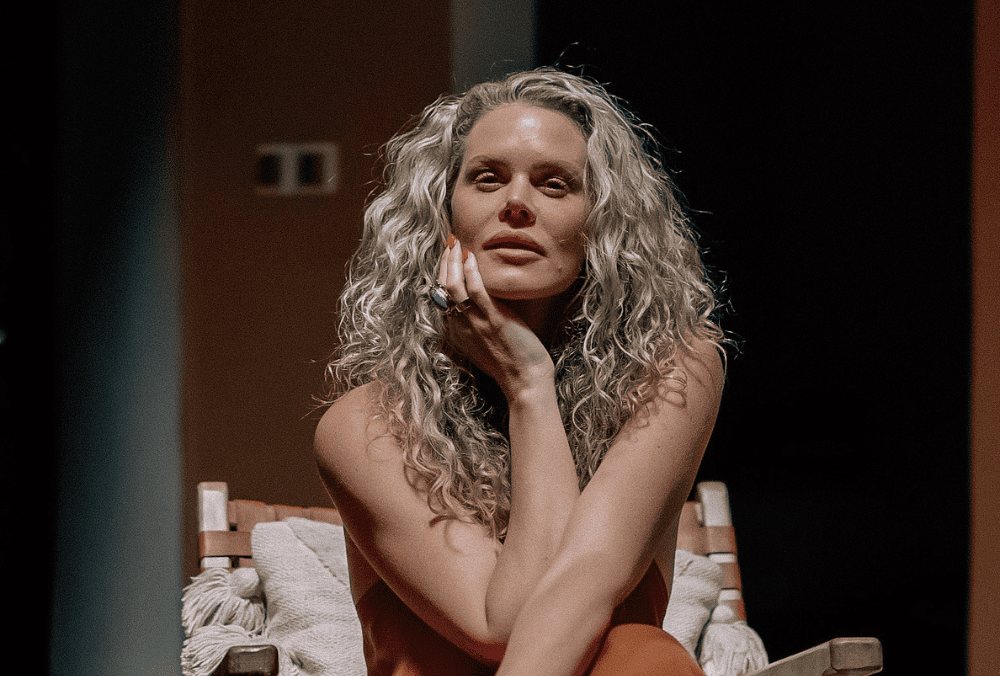
Some songs are written for the moment. Others wait for the artist to become strong enough to share them. With “Dear Dolly: A Child’s Memo,” Kelly Monrow opens a chapter she’s carried privately for years, choosing to release it now not from grief, but from joy, stability, and a deeper understanding of who she has become.
“Dear Dolly: A Child’s Memo” reads like something you needed to write rather than something you decided to write. What finally made this the right moment to put these childhood experiences on record?
I’ve been sitting on this song for a few years now, and after stepping into motherhood, with my life feeling full and happy, it finally feels like the right time to release it. I want to share it from a place of strength and joy, reflecting on how far I’ve come, rather than from a place of grief.
You open the track with a French-language spoken intro before stepping into your own testimony. What does French carry emotionally that English couldn’t open with?
I lived in France when I made this song. My son was actually born there and it just felt right at the time to implement friendship at the beginning during the creation of this song.
Is Dolly in the title a nod to Dolly Parton — an artist who has been vocal about her own difficult upbringing?
I love Dolly Parton, but actually, my nickname growing up was Dolly, and my family still calls me Dolly to this day.
Your catalog is rooted in Americana and indie pop. Rap cadence and spoken word is a significant departure. At what point in the writing process did you know this story could only be told this way?
One day I just started lyrically spitting, and it began to flow, so I kind of went with it. I don’t really believe in staying in just one genre when it comes to music. There are so many different sides to who we are. I definitely grew up on hip-hop and rap, and even though I’m a country girl from Texas, that’s still a part of me for sure. I also love exploring spoken word. I think it’s very cool.
This track is a letter to a version of yourself that had to grow up too fast. If that child could respond, what do you hope she’d say back?
Well, now she would say she feels very safe, secure, and taken care of. It actually made her more authentic. I think she would hold my hand, laugh, and feel grateful for where we’ve gotten.
The line “I hold my own power, I create my destiny” lands as a declaration. How long did it take you to actually believe that, and does recording it make it more real?
I really started learning this in my early 30s, and now I truly embody it every day. I live it and breathe it. I think writing it down, and especially singing about it, makes it even more potent and real. It’s a great anthem to live by.
You built a serious acting résumé — Billions, Lucifer, American Crime Story — before committing fully to music. What does performance experience give you as a recording artist that pure musicians don’t always have access to?
I think it’s all storytelling. There’s actually a lot of musicians that crossover to film and vice versa. The power of storytelling is artistry at its finest. I’d really try to not see creativity as a linear path, but an artist who can express themselves through different vessels is pretty liberating.
What does it feel like to release something this personal into an industry that is still figuring out how to market vulnerability?
I don’t care about the industry anymore or the market. I make music to express myself and to hopefully share a message that will resonate with one other person. It’s not a numbers game anymore for me. It’s just about authenticity and feeling joyful to express myself.
Kelly Monrow‘s “Dear Dolly: A Child’s Memo” is set for release on March 27.