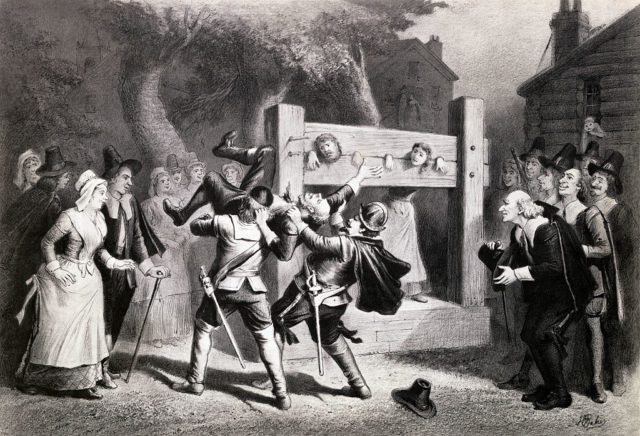
While the Salem witch trials of the late 17th century remain the most widely recognized instance of historical hysteria, the phenomenon was far more widespread across Europe. Catalonia, a region in Spain, was among the first to engage in these tragic persecutions. In a significant move toward historical reconciliation, the Catalonian government has officially issued posthumous pardons for over 700 individuals who were executed for witchcraft between the 15th and 18th centuries.
The legislative measure, passed in late 2021 with an overwhelming 114 votes in favor out of 135, also encourages local municipalities to honor the victims by renaming streets in their memory. This decision serves as a formal acknowledgment of the systemic violence that targeted marginalized individuals, particularly women, during a period of intense social and religious upheaval.
The Connection Between History and Modern Feminism
The initiative carries deep symbolic weight for modern activists. Catalonian parliament member Jenn Díaz highlighted the enduring relevance of these historical injustices, noting, “We are heiresses of the witches, the poisoners and the healers. There is a connection between witch hunts and femicide. We want reparation and an understanding that the past is not as distant as we think.”
Historical records suggest that between 1580 and 1630, approximately 50,000 people were executed for witchcraft across Europe, with women accounting for roughly 80 percent of the victims. In Catalonia, these hunts were often driven by local villagers and feudal lords, particularly in rural areas where fear of magic and the supernatural was exacerbated by natural disasters or failed harvests.
Understanding the Judicial Failure
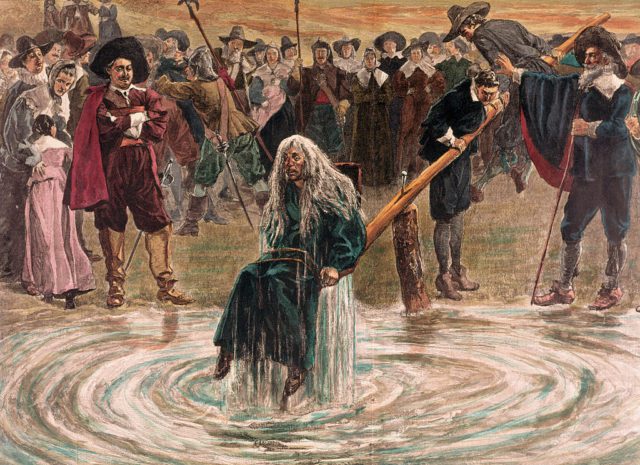
The trials were frequently characterized by a lack of due process. In many instances, a simple confession—often extracted under duress—was sufficient to secure a conviction in secular courts. Those found guilty were typically hanged, a method preferred by local authorities as it was more cost-effective than burning at the stake. While the Inquisition occasionally intervened, often resulting in the acquittal of the accused due to insufficient evidence, the damage in rural, feudal-controlled areas was often already done.
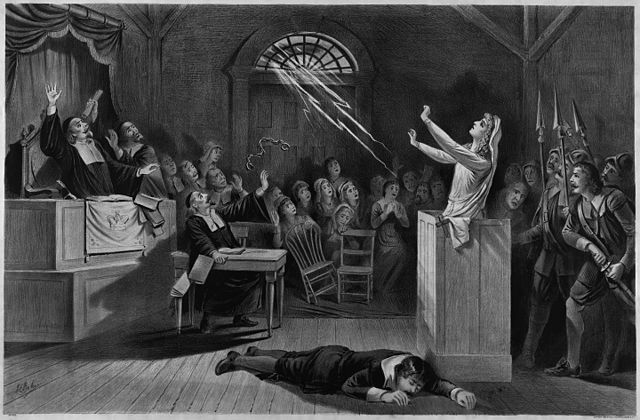
Catalonia’s decision to confront this dark chapter follows similar international efforts. Switzerland pardoned a victim of a 1782 witch trial in 2008, and in 2011, Norway erected a memorial in Vardø to honor those lost to the witch hunts. By officially clearing the names of these 700 victims, Catalonia is taking a necessary step toward acknowledging the authenticity of the suffering endured by those who were, in reality, often just independent women or practitioners of traditional medicine.