
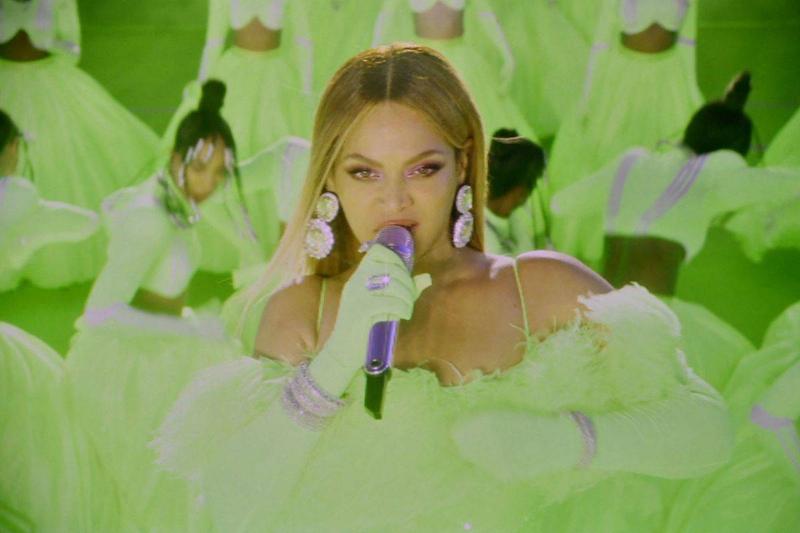
Unless you have been living under a rock, you are likely aware that Beyoncé has returned with a new solo album, her first since the critically acclaimed Lemonade in 2016. The commercial performance of Renaissance is nothing short of remarkable, signaling a powerful moment in the artist’s storied career.
The album secured the second-largest opening week of 2022, moving 332,000 equivalent album units. This achievement also marks the biggest debut for a female artist this year. Renaissance stands as Beyoncé‘s seventh solo studio album, and notably, her seventh to debut in the top spot on the charts.
Perhaps most surprising is that this release is the first solo female album of the year to land at number one, succeeding Adele‘s 30. Interestingly, both Renaissance and 30 were released through Columbia Records.
Between her major solo projects, the artist has remained prolific. In 2018, she collaborated with Jay-Z on the joint project Everything Is Love, followed by the release of Homecoming: The Live Album and The Lion King: The Gift in 2019. All three of these projects successfully debuted within the top five of the Billboard 200.
The rollout for Renaissance began in mid-June, followed by the lead single, “Break My Soul.” This release strategy marked a departure from her previous two albums, Lemonade and her 2013 self-titled set, both of which were surprise drops. Furthermore, Beyoncé opted to release Renaissance without a visual companion, allowing the music to stand entirely on its own merits.
While Renaissance has achieved massive success, the only album to surpass its first-week numbers in 2022 remains Harry’s House by Harry Styles, which debuted with 521,000 equivalent album units earlier this year.