A Reckoning with History
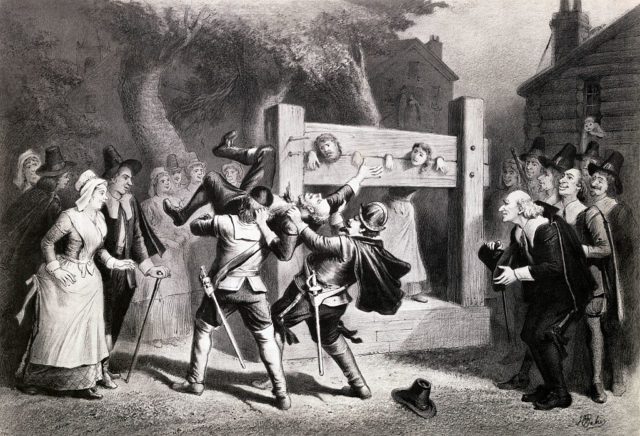
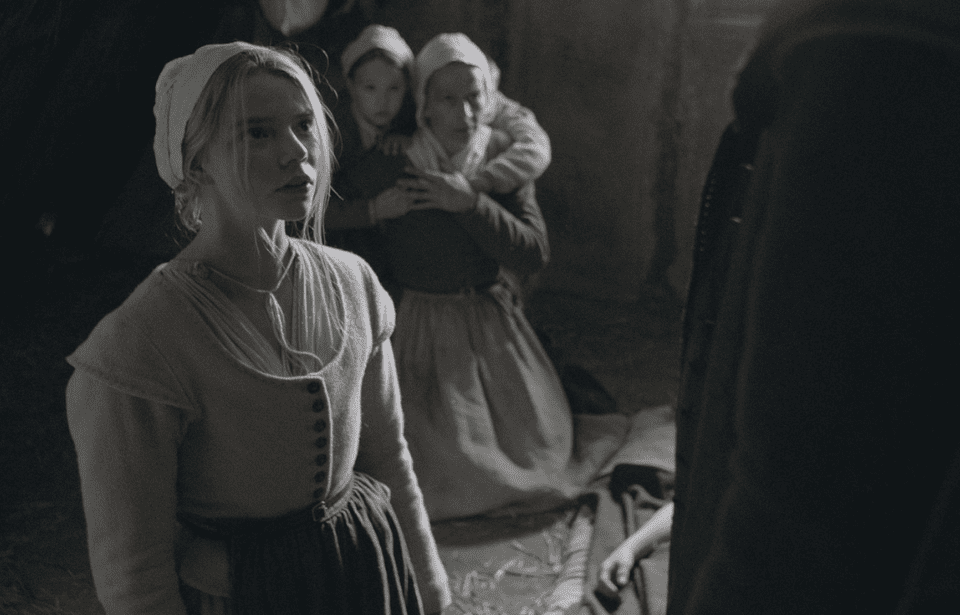
While the Salem witch trials of the late 17th century remain the most widely recognized instance of historical hysteria, the phenomenon was far more widespread across Europe. Catalonia, a region in Spain, was among the first on the continent to conduct systematic witch trials. Recently, the regional government took a monumental step toward reconciliation, passing a landmark measure to posthumously pardon over 700 victims who were executed between the 15th and 18th centuries.
Legislative Reparation
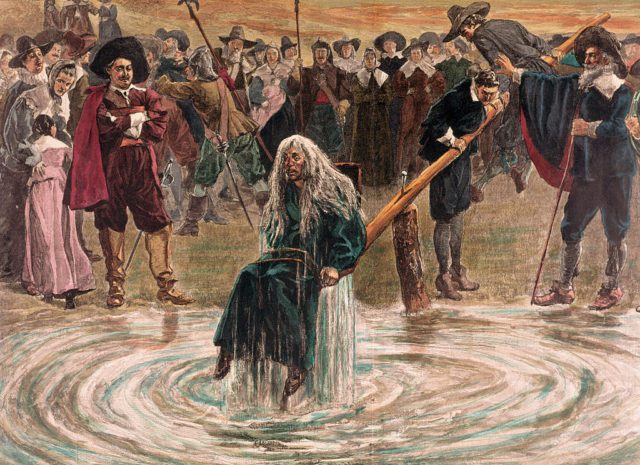
The legislative decision, finalized in late 2021, saw overwhelming support, with 114 out of 135 parliament members voting in favor of the measure. Beyond the formal pardons, the government has encouraged local municipalities to honor the victims by renaming streets in their memory. This initiative serves as a public acknowledgment of the systemic violence that plagued rural communities for centuries.
“We are heiresses of the witches, the poisoners and the healers,” Catalonian parliament member Jenn Díaz told Vice News. “There has been an evolution – today they call us feminazis. There is a connection between witch hunts and femicide. We want reparation and an understanding that the past is not as distant as we think.”
The Context of Persecution
Historical data suggests that between 1580 and 1630, approximately 50,000 individuals were sentenced to death for witchcraft across Europe, with women accounting for roughly 80 percent of those cases. In Catalonia, these hunts often began at the local level, fueled by villagers and opportunistic witch hunters. While the Spanish Inquisition was often skeptical of such claims, rural areas governed by feudal lords were frequently susceptible to mass panic following natural disasters, failed harvests, or unexplained deaths.
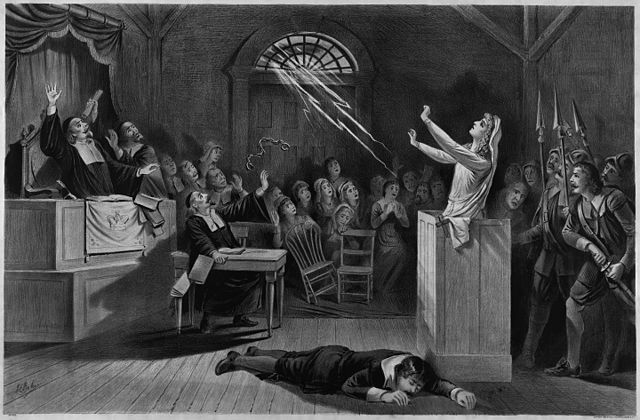
Accusations were frequently leveled against independent women or those who practiced traditional medicine. In many secular courts, a simple confession—often extracted under duress—was sufficient for a conviction. Those found guilty were typically hanged, a method preferred by local authorities for its cost-effectiveness compared to burning at the stake.
A Global Movement for Justice
Catalonia’s decision joins a growing international effort to address historical injustices. Other regions have previously taken similar steps; for instance, Switzerland pardoned a woman accused of witchcraft in 1782, and in 2011, the Norwegian government erected a memorial in Vardø to honor the victims of its own witch trials. These acts of remembrance highlight a collective desire to confront the dark chapters of history and provide a measure of dignity to those who were denied it in life.