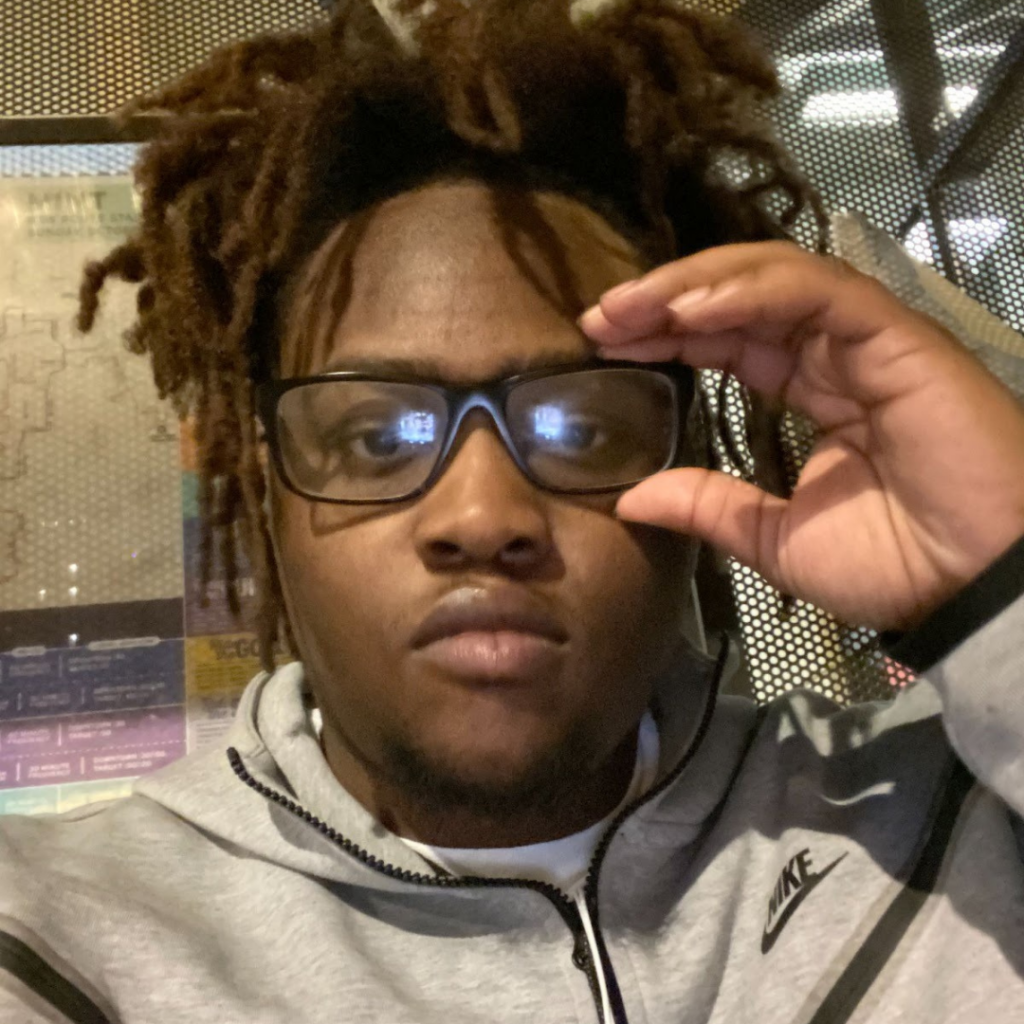
Young Meepa is an artist who defies easy categorization, and that ambiguity is entirely by design. Born in Dayton, Ohio, and now a fixture of Chicago’s South Side, his journey began in the gritty reality of the crust punk underground, where he survived addiction and life on the road. The moniker itself was born from a joke within the Chicago punk scene, but the music that followed has proven to be a serious, multifaceted exploration of sound.
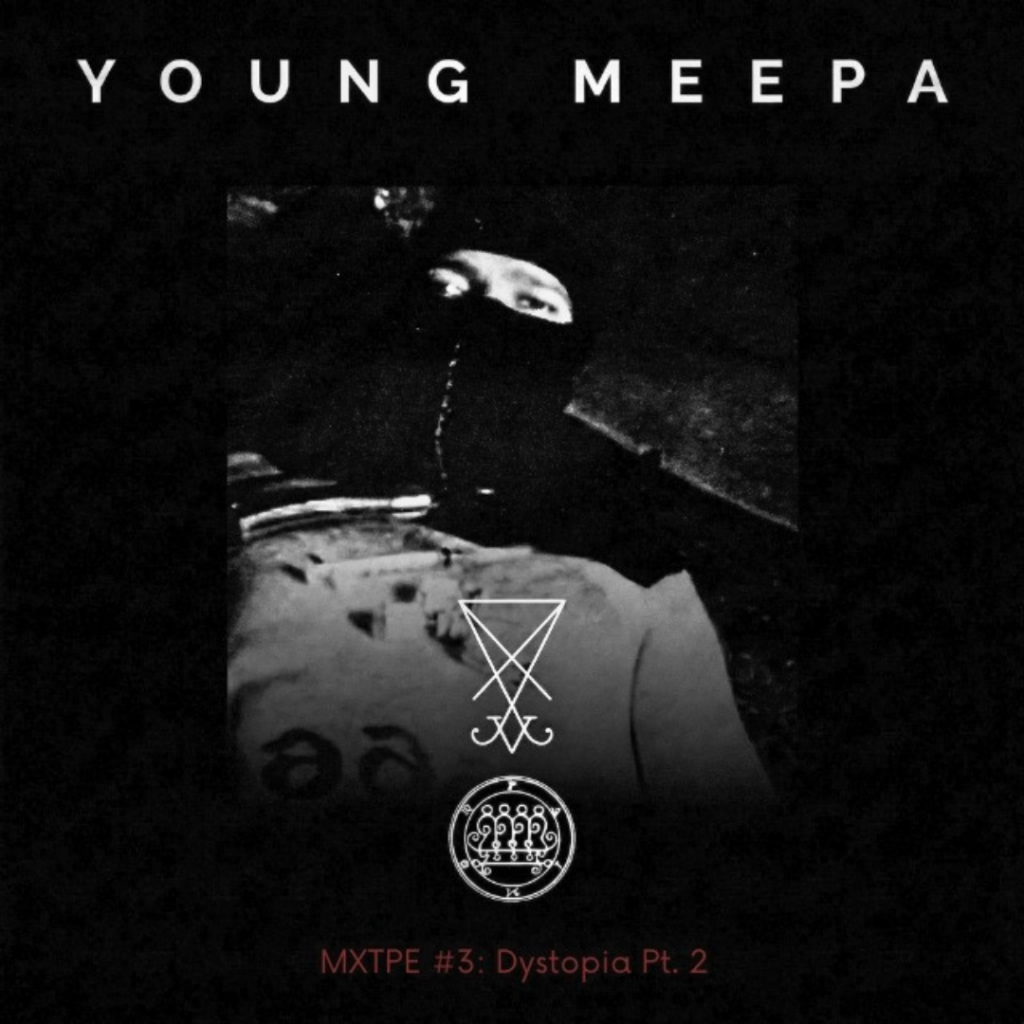
A true polymath, Meepa writes, produces, engineers, and performs his own material—a disciplined practice he has maintained since childhood. His sonic palette is vast, drawing from trap, drill, black metal, punk, folk, and R&B. Now living openly as a queer artist, he arrives at MXTPE #3: Dystopia Pt. 2 with eleven tracks that refuse to compromise or soften their edges.
When discussing his roots, Meepa acknowledges that the DIY ethic of the punk scene remains the foundation of his work, even as he pivots toward trap production. He notes that while the infrastructure of his early days remains, the personal cost has been high, with many of his peers lost to the struggles of addiction and mental health. This raw, lived experience informs his engineering process; he seeks a specific, visceral feeling in his music, aiming to capture the atmosphere of the streets he calls home.
His latest project, Dystopia Pt. 2, serves as a collection of dispatches from a world he views through a lens of systemic inequality. Meepa describes the project as a realization of the calculated nature of poverty, viewing his music as a necessary response to these societal structures. Among the tracks, he highlights “On Mi Kn33s” as his most personal work, while pointing to “Eyes Sewn Shut” as the ideal entry point for new listeners.
Ultimately, Meepa’s influences remain as eclectic as his sound. While he operates within contemporary hip-hop spaces, he cites legendary punk acts like Crass and Flux of Pink Indians as foundational to his production philosophy, proving that his artistic vision is as much about the message as it is about the beat.