A Decade of Desolation and Beauty
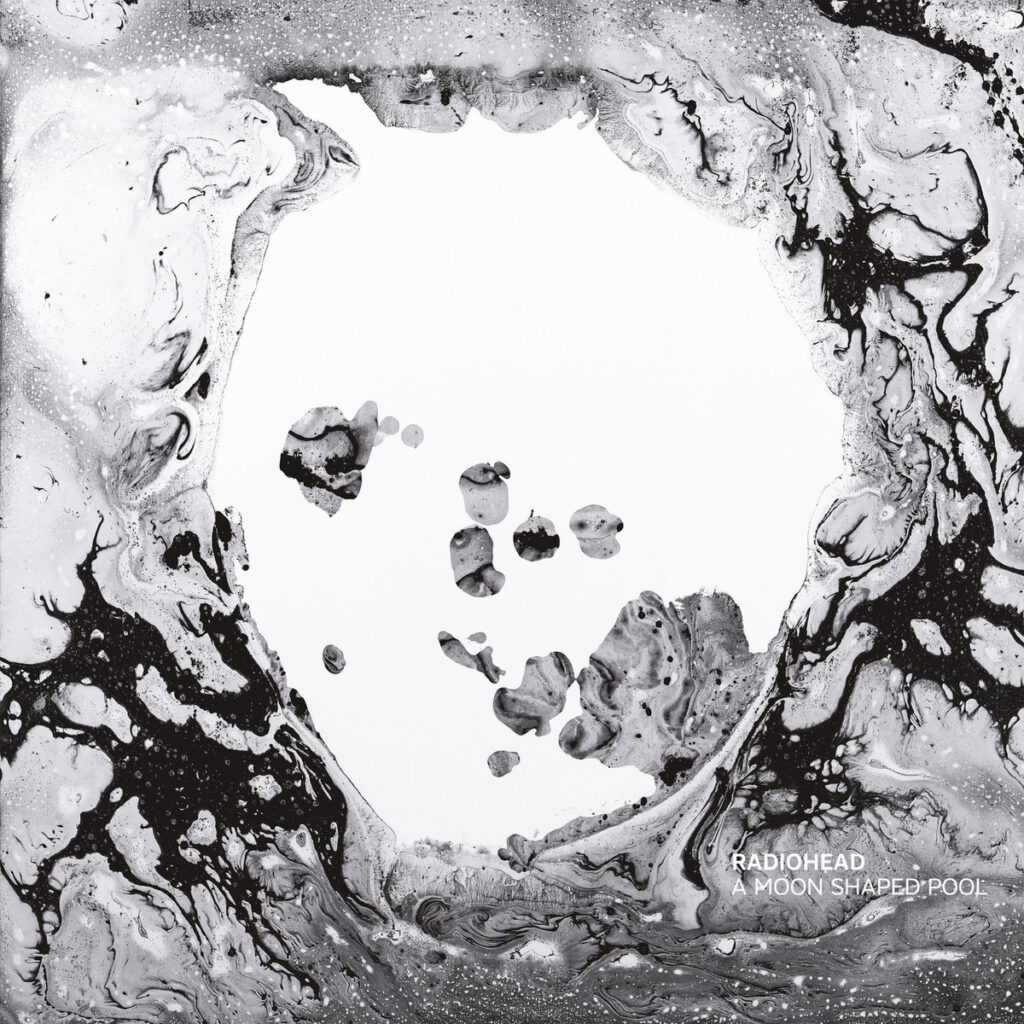
Radiohead’s ninth studio album, A Moon Shaped Pool, arrived a decade ago with an unmistakable air of finality. At the time of its release, many listeners—myself included—wondered if this would be the last transmission from the alt-rock innovators who had defined a generation. The band, a group of childhood friends from Oxford, seemed to be tying up loose ends, excavating old archives, and navigating the complexities of their own legacy. When bassist Colin Greenwood tweeted, “Very happy, very proud we did this xx,” it felt like a farewell.
Even by the band’s notoriously melancholic standards, the record felt weary and defeated. It was easy to interpret the music as a mourning process for the band itself. However, the album’s weight was anchored in broader, more profound forms of grief: the state of global geopolitics, the looming crisis of climate change, and, most acutely, the personal heartbreak of Thom Yorke following his separation from his partner of 23 years, Rachel Owen.
Orchestral Grandeur and Human Fragility
By 2016, Jonny Greenwood had firmly established his second career as a film composer, and his influence on the album’s symphonic texture was undeniable. Tracks like “Burn The Witch” and “Daydreaming” utilized the London Contemporary Orchestra to create a sense of majesty that felt both expansive and claustrophobic. These arrangements provided a lush, organic backdrop to songs that felt deeply, painfully human.
Unlike the glitchy, digital landscapes of The King Of Limbs, A Moon Shaped Pool felt like the work of a live band returning to its roots. Whether it was the jazz-rock groove of “Identikit” or the folk-inflected “Desert Island Disk,” the music maintained a tactile, acoustic core. Yet, the mood remained one of desolation. As Yorke sang on the opening track, “This is a low-flying panic attack,” he set the tone for an album that prioritized emotional honesty over traditional rock dynamism.
The Enduring Legacy of True Love Waits
The album’s closing track, “True Love Waits,” serves as perhaps its most devastating achievement. A song that had existed in the band’s archives since 1995, its transformation here is a masterclass in emotional recontextualization. Once a hopeful, acoustic paean to romance, the version on A Moon Shaped Pool is hollowed out, replaced by dissonant, echo-laden piano. It is a stark reminder that while the music remains, the context in which we hear it—and the people we share it with—inevitably changes.
Looking back, the album remains a staggering achievement. While the band has since navigated the complexities of touring and new projects, the records themselves remain fixed points in time. As long as we can return to A Moon Shaped Pool, we have a companion for our own grief. It is, as it has always been, both bleak and beautiful.